

The Nature of Luck in Gambling
Luck is often portrayed as a mystical force that determines the outcomes in gambling, influencing players’ fortunes in unpredictable ways. Many believe that luck can be harnessed or influenced through specific rituals or practices, elevating the excitement of games. However, luck is statistically grounded in probability theory, particularly in games of chance like slots and roulette, where each spin or roll is independent. For those interested in understanding the dynamics of luck, the concept of rtp mega888 hari ini offers intriguing insights into how chance operates in various casino settings. This raises the question: is luck merely a psychological comfort or does it hold any sway in the realm of gambling?
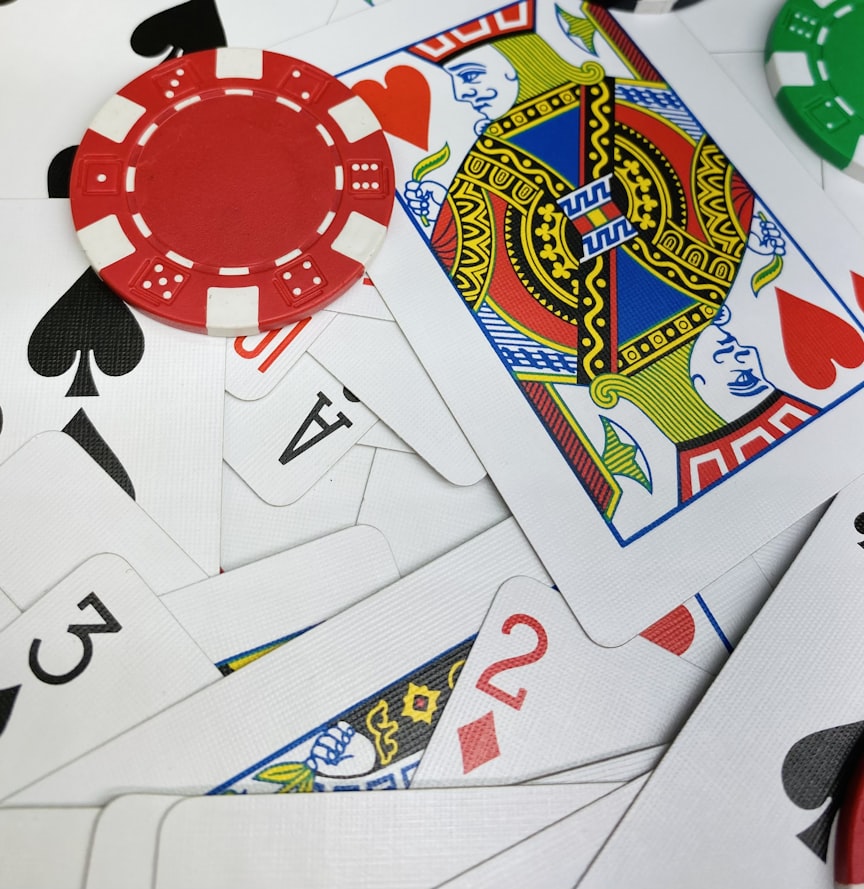
The human tendency to attribute success or failure to luck often shapes gambling behaviors. Gamblers frequently recount lucky streaks or unlucky incidents as if they were governed by fate. This narrative creates an illusion that luck has a lasting impact, misleading many into believing they can modify their own chances through superstitions or personal variations in their play styles. In reality, every outcome in games like cards or dice is defined by mathematical odds, reinforcing the reality that luck is less of a guiding force and more of a concept that helps players cope with the inherent randomness of the outcomes.
Understanding the nature of luck is critical for anyone engaging in gambling. Recognizing that luck is often a manifestation of chance rather than a consistent factor can help players develop a more rational mindset. By focusing on strategies based on skill and probability rather than superstitions tied to luck, players can enhance their overall gaming experience, leading to more informed decisions and potentially better results over time.
Common Misconceptions About Lucky Strategies
Many players cling to the notion of “lucky strategies,” believing that certain betting patterns or timing can influence their chances of winning. For instance, the belief that playing during specific hours or on particular machines can lead to better outcomes is rampant. While it’s true that different games may offer varying odds, these variations are established by the rules of the game rather than any external influence. Therefore, adopting a “lucky time” to play is not based on factual analysis but rather on personal anecdote and mythos.
Another common misconception involves the idea of past performances affecting future gameplay. Gamblers often convince themselves that a machine is “due” for a win after several losses. This is a classic example of the gambler’s fallacy, where one incorrectly assumes that previous outcomes will directly affect subsequent results. Each spin or hand is statistically independent; thus, no matter how many times a machine has paid out or not, it will not have any bearing on the next outcome.
Ultimately, relying on misconceptions about lucky strategies can lead to poor decision-making and potential losses. Instead, players would benefit from understanding the underlying mechanics of the games and the probabilities involved, enabling them to make more calculated and strategic choices. This approach reduces reliance on the ambiguous notion of luck and shifts the focus towards informed decision-making based on available information.
The Role of Psychology in Gambling Luck
The psychology of luck plays a significant role in how gamblers perceive their experiences. Many players develop a “lucky charm” mentality, where they believe that specific rituals or items can enhance their luck. This psychological phenomenon can create a sense of control over an inherently random process, making the gambling experience more enjoyable and engaging. However, it can also lead to detrimental behaviors, such as chasing losses or developing irrational betting patterns based on these perceived charms.
Moreover, cognitive biases, such as selective memory, further complicate the narrative around luck in gambling. Players often remember their wins while conveniently forgetting their losses, which reinforces the belief that luck plays a pivotal role in their gambling endeavors. This skewed perception can lead to overconfidence, encouraging players to wager more heavily than they should, based on their selective recollections of luck’s favor. As a consequence, understanding these biases is crucial for developing a more balanced view of one’s gambling habits.
By acknowledging the psychological dimension of perceived luck, gamblers can approach their play with greater awareness. Emphasizing emotional intelligence and self-reflection can empower players to recognize their motivations and the emotional highs and lows associated with gambling. This awareness allows individuals to enjoy gambling as a form of entertainment rather than a means of financial gain reliant on luck.
Luck vs. Skill: Understanding the Difference
When it comes to gambling, distinguishing between luck and skill is essential. Games like poker and blackjack require a certain level of skill, strategy, and decision-making, as success often hinges on players’ ability to read opponents and manage their resources effectively. Conversely, games like slots and roulette are purely chance-based, with no skill involved. Understanding this distinction can significantly influence how individuals approach gambling and their expectations regarding outcomes.
The interplay between luck and skill can create an illusion of control in skill-based games. Players often attribute their successes to their skills while overlooking the fact that a degree of luck is always present. On the flip side, some may find themselves frustrated when luck does not favor them, despite employing sound strategies. Recognizing that even the most skilled players can experience losing streaks due to luck can help foster a more realistic perspective on the outcomes.
Ultimately, understanding the balance of luck and skill is vital for responsible gambling practices. It can inform players’ expectations and help them develop a more measured approach to their gaming choices. By acknowledging that luck is inherent in all gambling contexts, even those that involve skill, players can appreciate the entertainment value of gambling without falling prey to myths that could lead to unhealthy gambling behaviors.
Visit Our Website for More Insights
For those looking to deepen their understanding of gambling and its inherent myths, our website provides a wealth of resources and insights. We delve into various aspects of gambling, including the psychological factors that influence player behavior, strategies to enhance decision-making, and the implications of luck in betting contexts. Engaging with our content equips players with the knowledge necessary to make informed choices and enjoy a more fulfilling gambling experience.
In addition to articles, our platform offers interactive tools and expert advice to help users navigate the complex world of gambling. By fostering a community of informed players, we aim to debunk myths and empower individuals with skills that can enhance their approach to gambling. Whether you’re a novice or an experienced player, our resources are designed to ensure that you fully understand the nuances of luck and strategy in gambling.
Visit our website today to explore these topics further and become a more informed and responsible gambler. Knowledge is power, and by understanding the myths surrounding luck, you can enhance your experience while minimizing risks associated with gambling. Join our community and embark on a journey toward a deeper comprehension of the gambling landscape.

Comentários desativados